Human
Interfaces
What happens when we stop teaching people the language of computers and start teaching computers the languages people already use?
Humans already have interfaces.
Hands. Eyes. Voice. Body. Space. Material. Sound. We have spent thousands of years learning how to point, touch, arrange, listen, gesture, make and understand one another. AI makes a different question possible: what if computation became literate in those languages?
Speech · Gaze · Intent
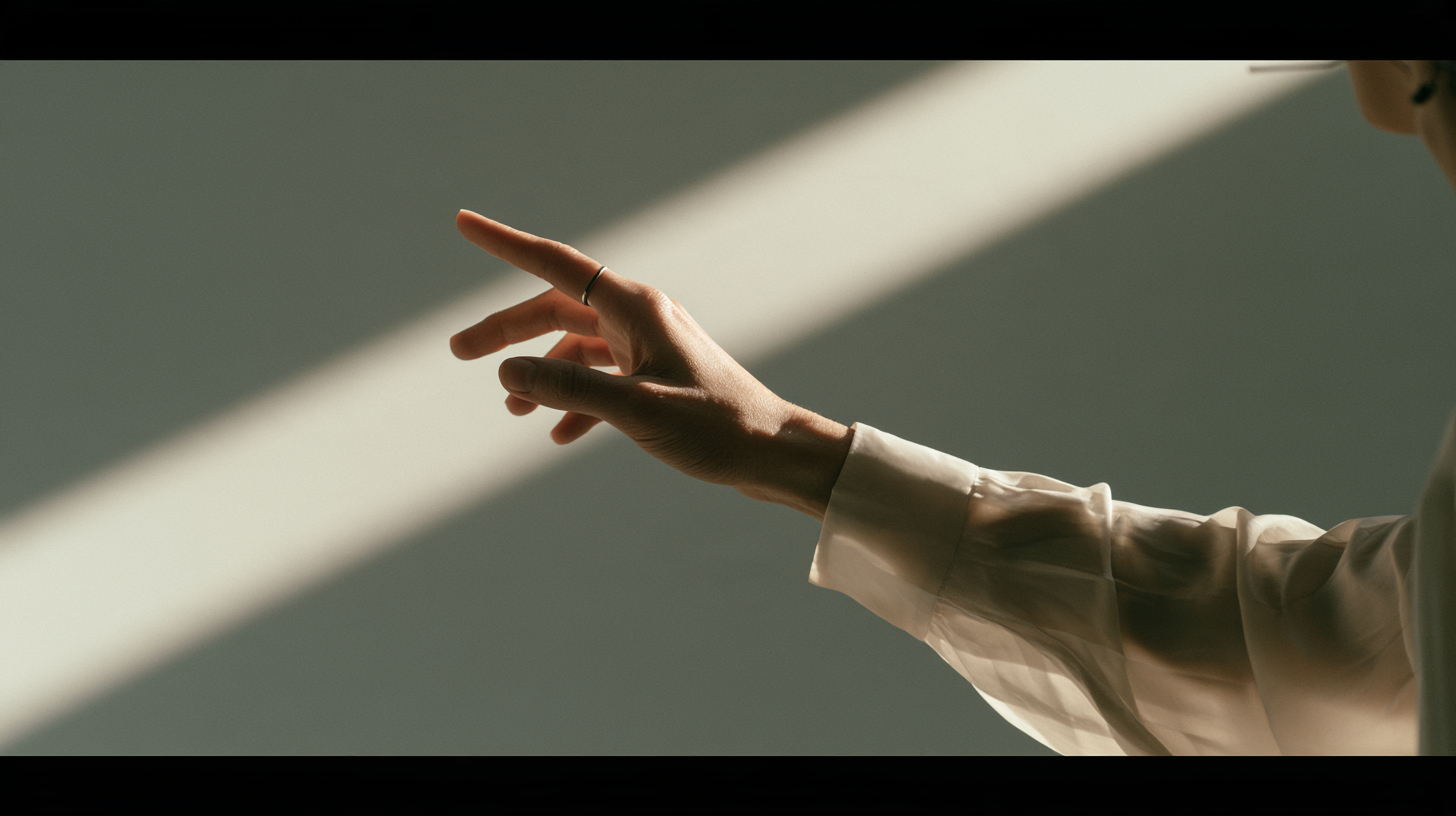
Touch · Sequence · State

Pressure · Texture · Warmth
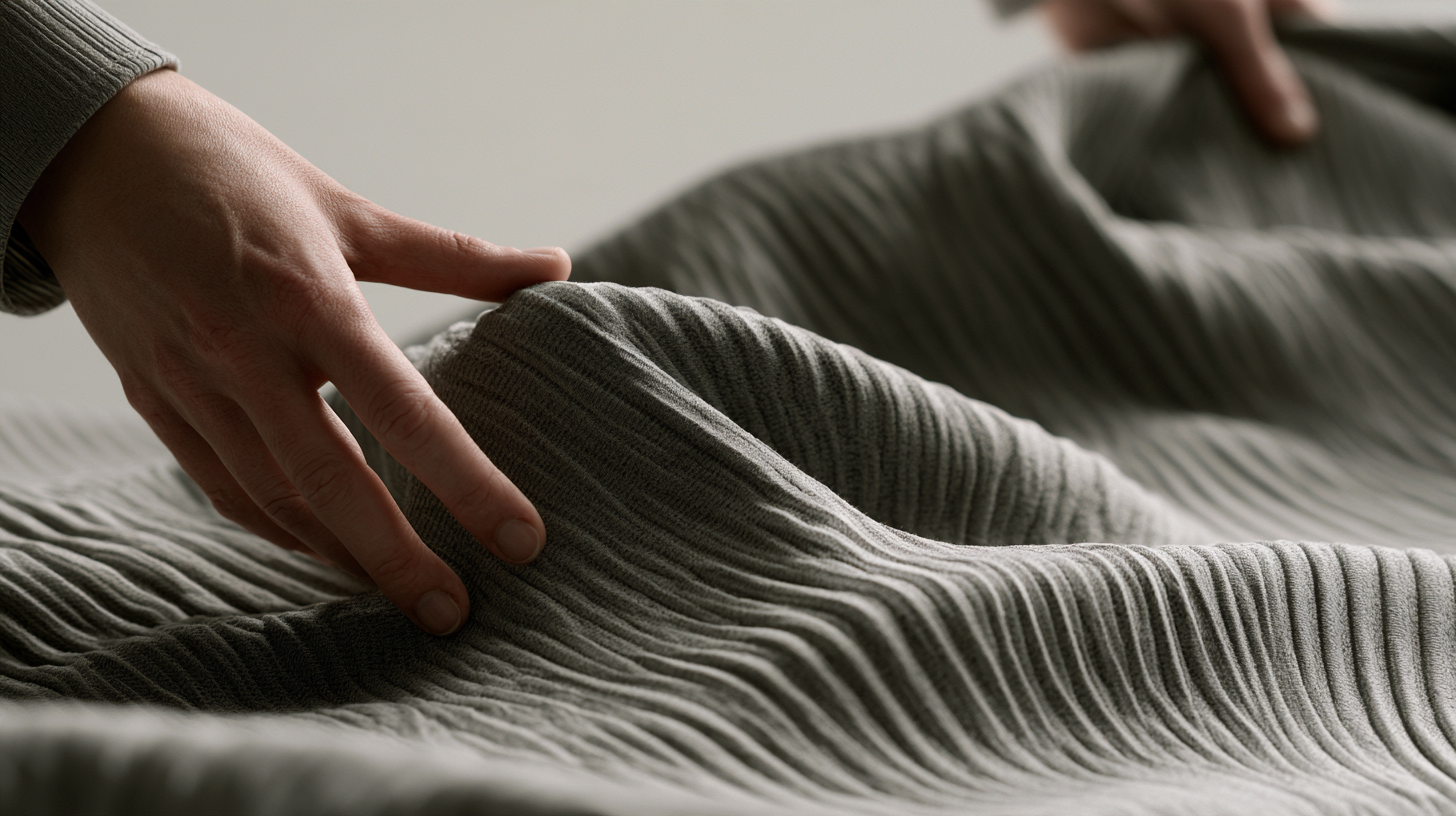
Objects · Relationships · Agency
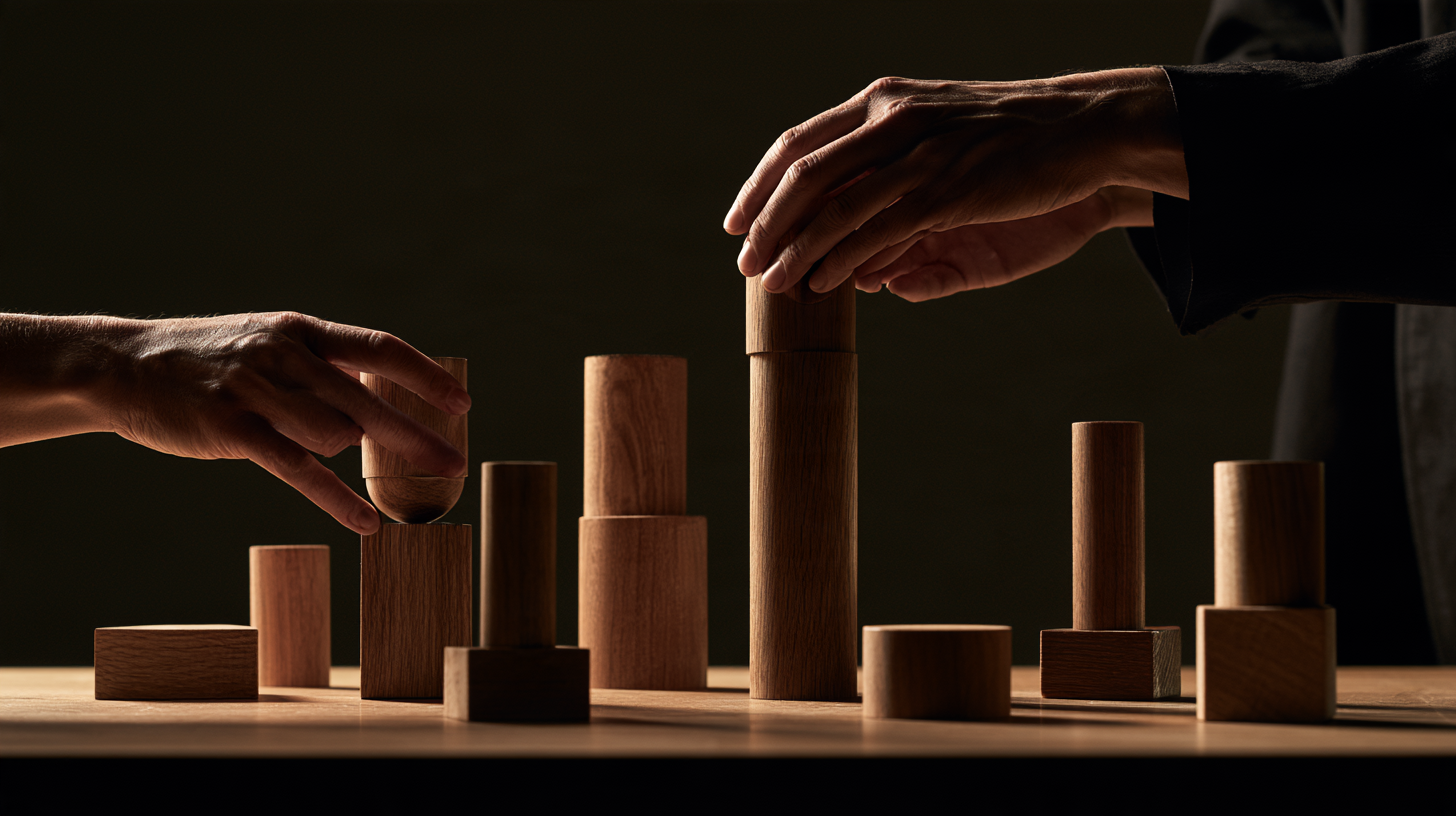
Provenance · Memory · Agency
Composition · Chemistry · Flow

Material · Meaning · Presence
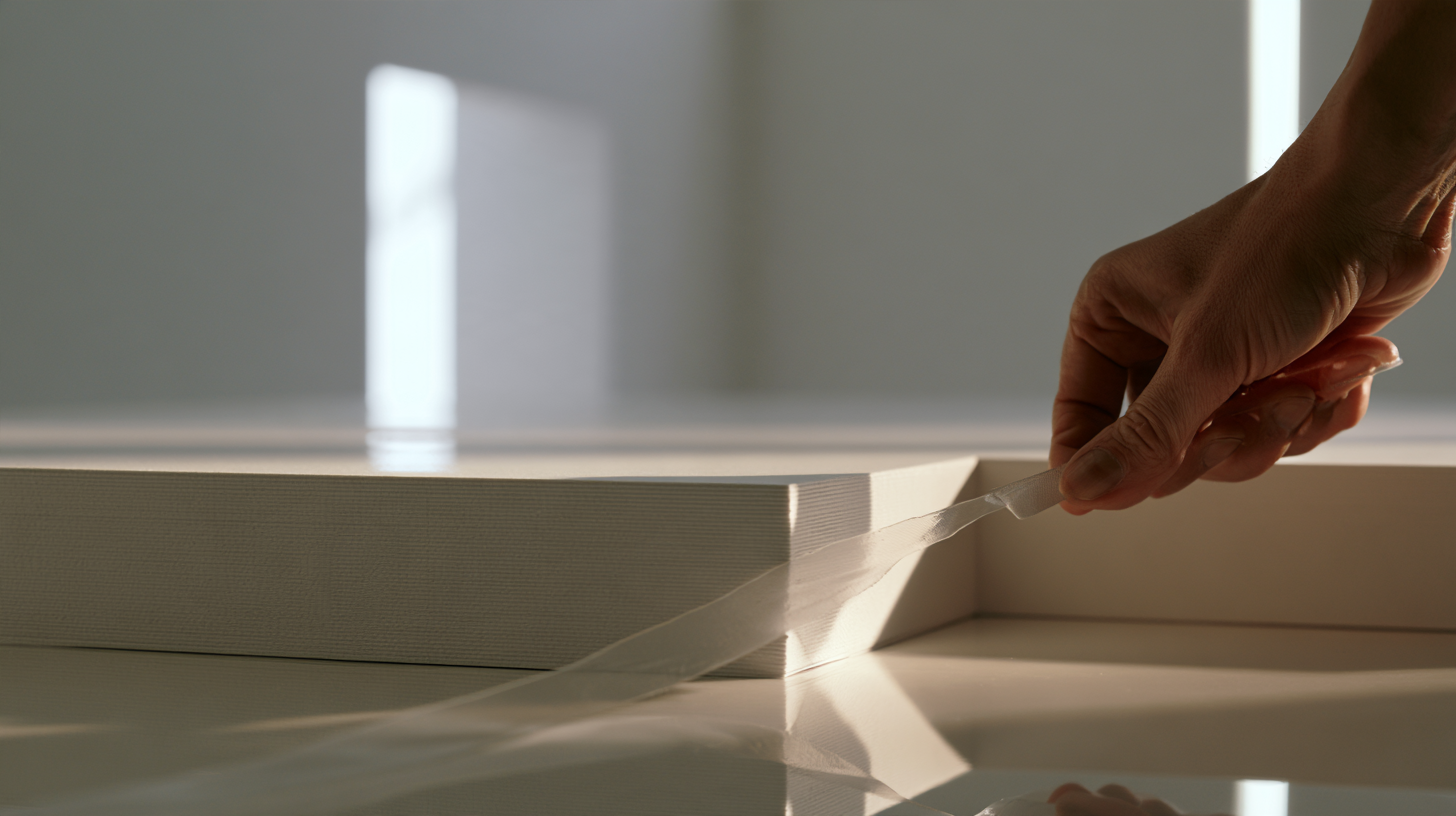
Touch · Behavior · Viscosity
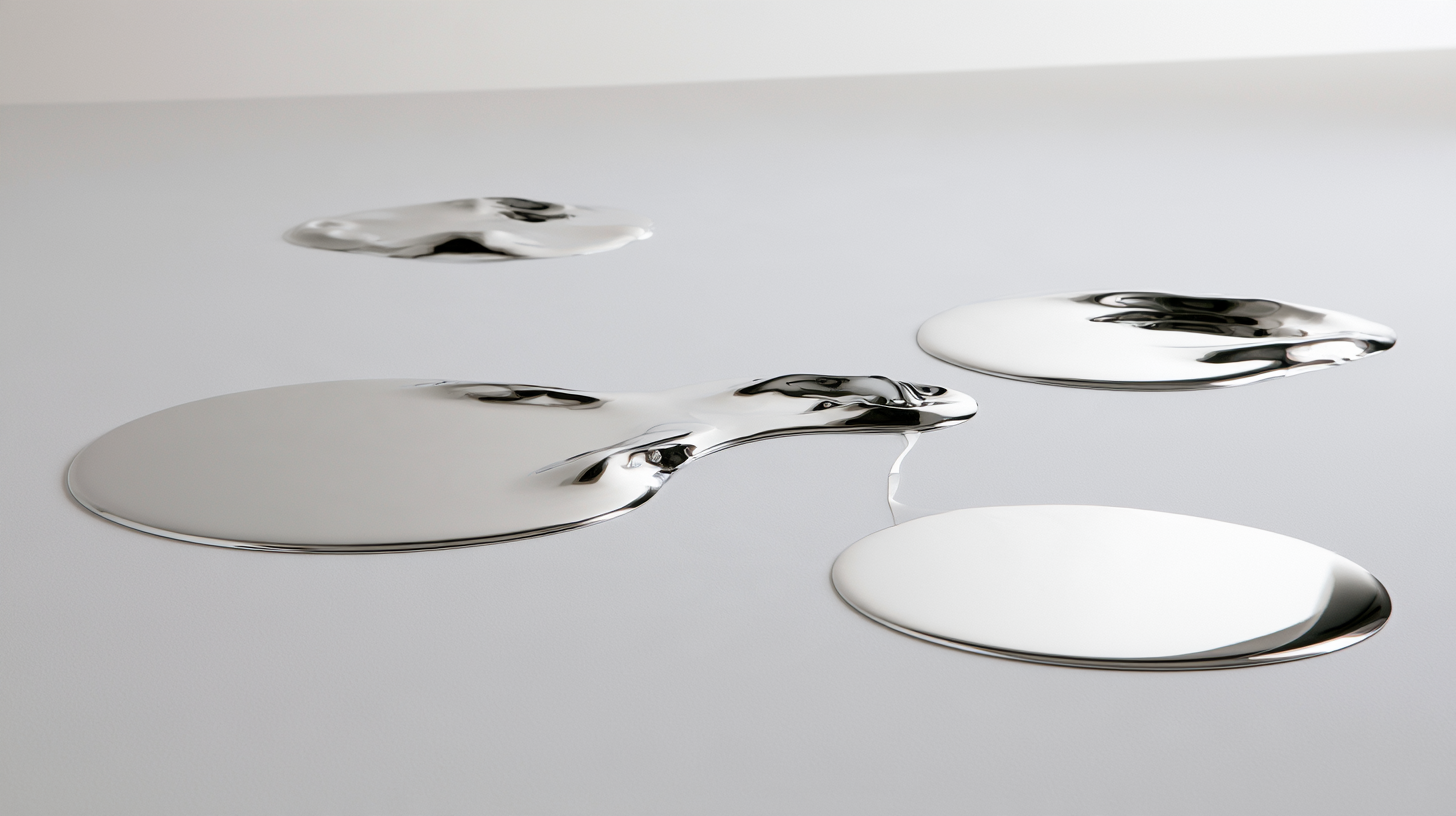
Questions · Resistance · Capability
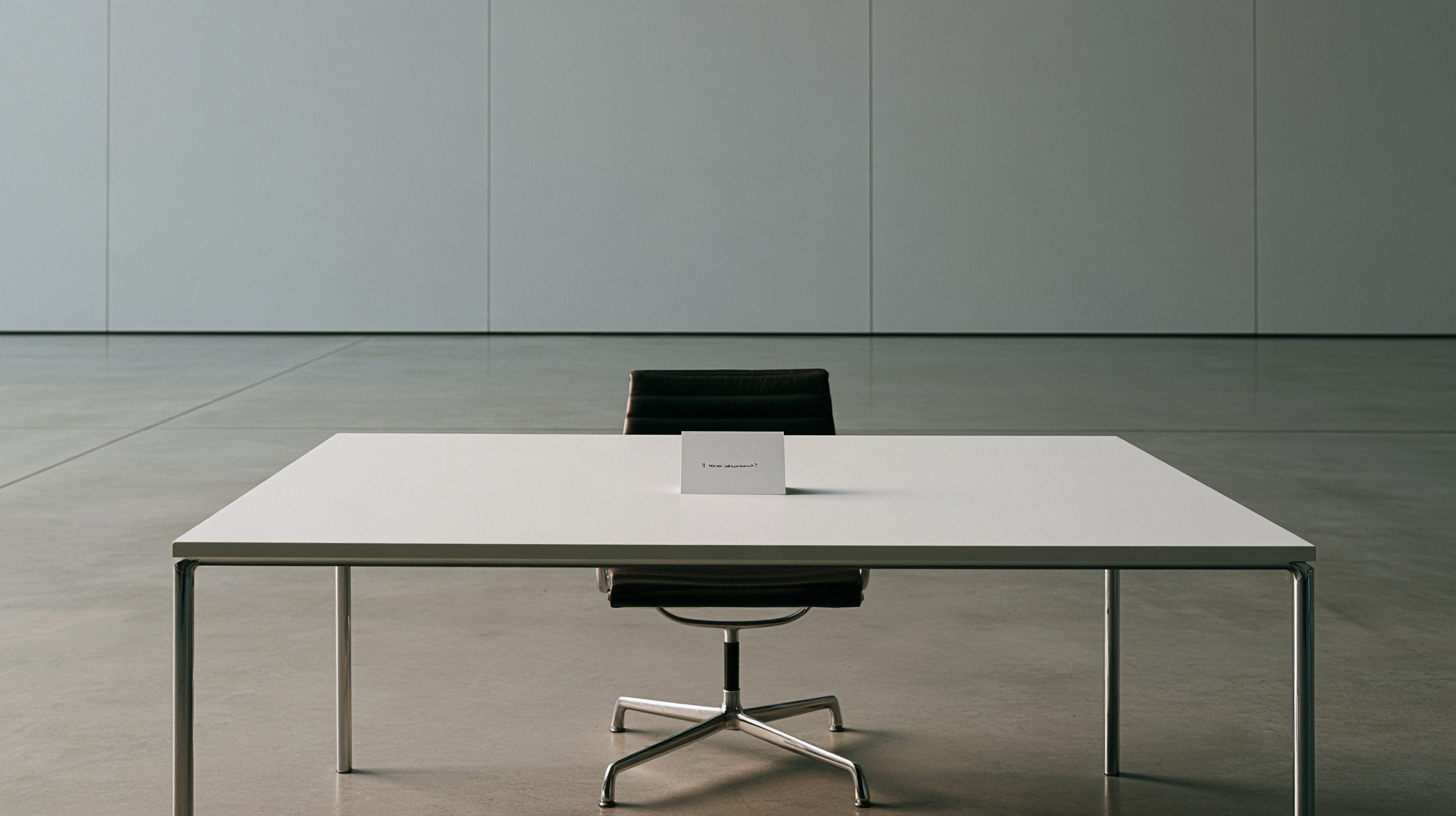
Arrangement · Topology · Space
Programmable Surface
A screen can change what it looks like. What if a surface could change what it feels like?
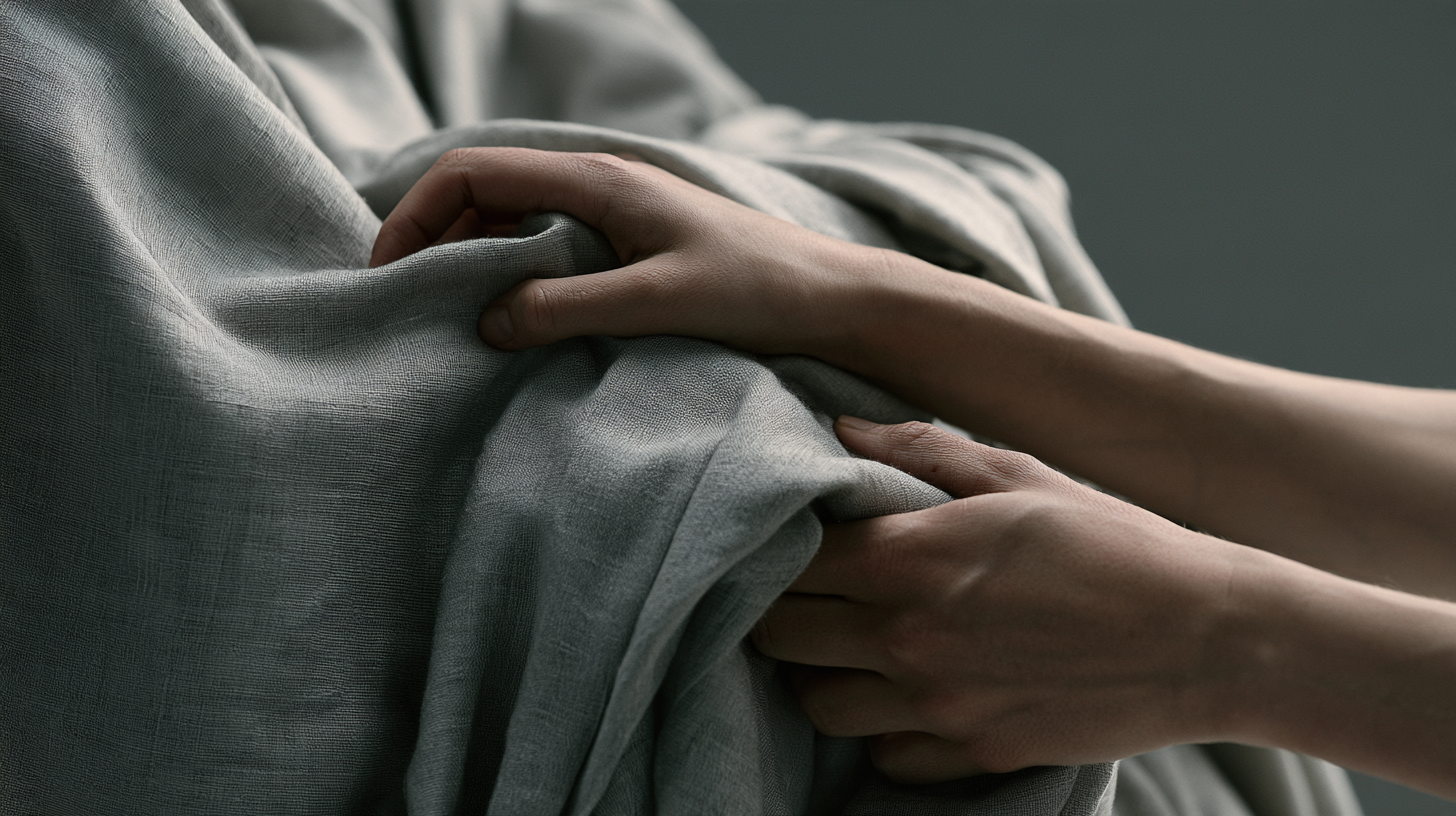
Gesture · Context · Agency
Gesture / Intent
Recognize the intention, not the pose.
Intent lives between the signals.
Notes / Seeds
Color
Not every answer needs words. Could a small personal vocabulary of color communicate state, degree and uncertainty without demanding attention?
Sound
Pitch, rhythm, duration, harmony and silence already carry meaning through time. What if you and your computer developed a language that wasn't made of words?
Sign
The body is already capable of sophisticated symbolic language. The opportunity isn't to reduce sign language to UI gestures, but to make computation more capable of meeting people in languages they already use.
This is one conversation that became several ideas.
The images were generated during the discussion, not after it. Making the artifacts changed the questions: jewelry became Abacus; fabric became computational material; physical arrangement became Syntax; shared objects led to provenance and Oracle; composing people became Salon; layered paper became Substance; liquid metal became Quicksilver; Socratic questioning became adaptive intellectual resistance; sand suggested programmable topology; a shrug became evidence of intent. The work is preserved here at the point where each idea became useful enough to think with.